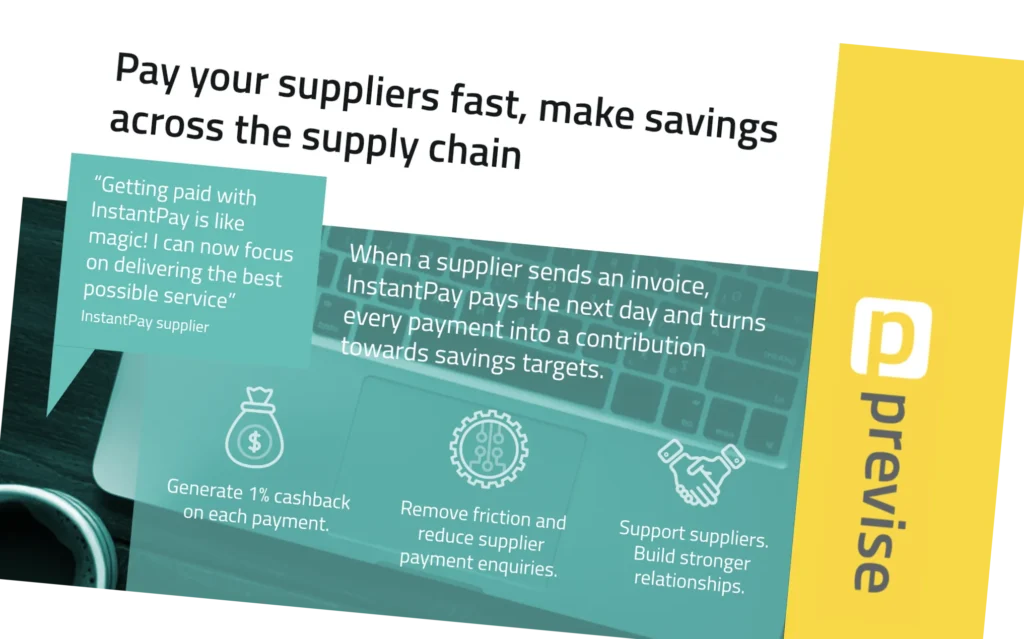
Repositioning InstantPay

Product narrative and messaging
Transforming AI product positioning to create flagship solution

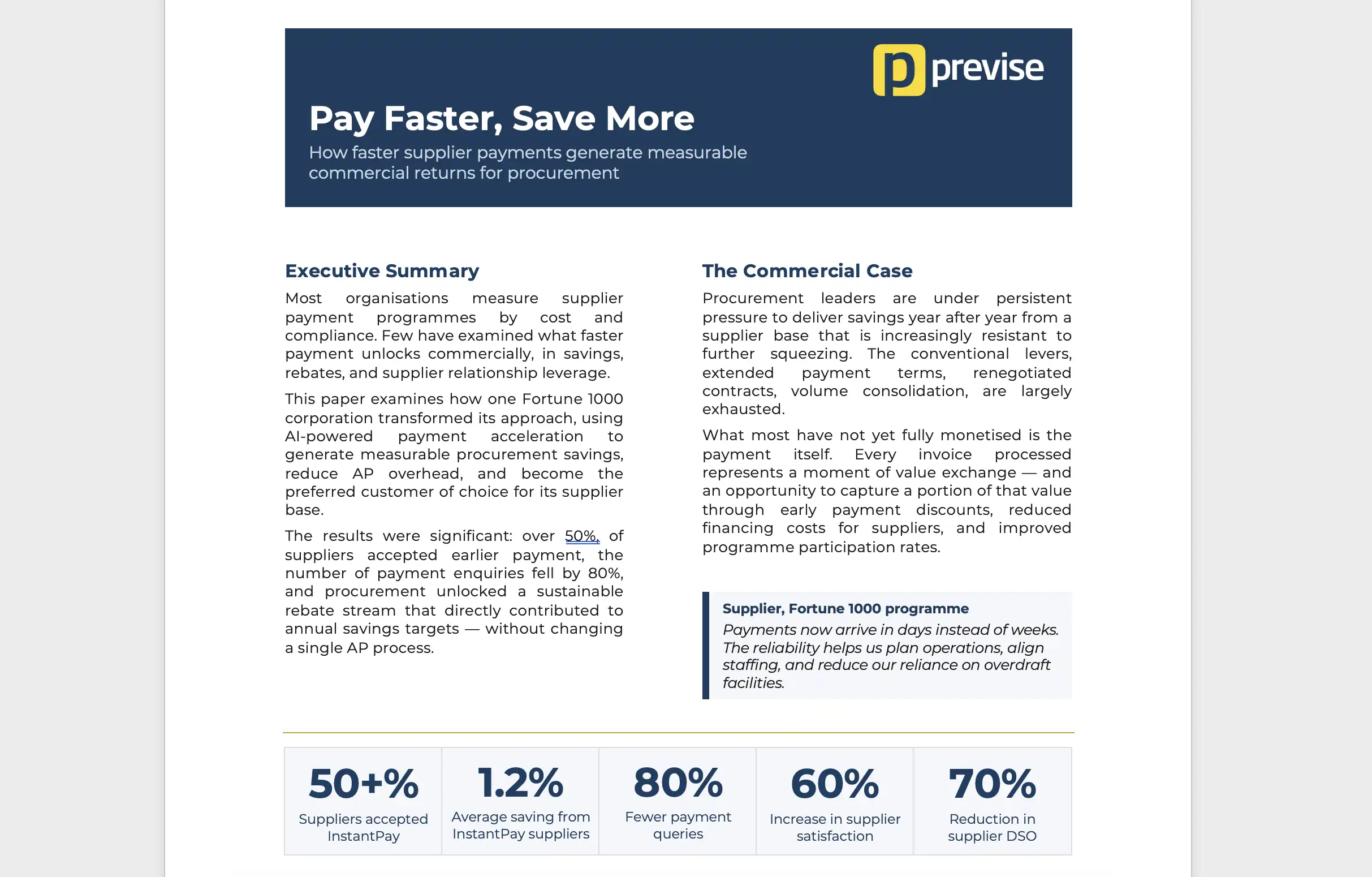
Previse’s innovative AI technology wasn’t winning enterprise deals. The solution was built around how it worked, not the pain it solved. With a three-sided market, enterprise buyers, SME suppliers, and funders, there was no single narrative that mobilised any of them. The answer came from going back to basics: jobs-to-be-done, competitive analysis, and a sharper ICP, to reposition the solution around the pain it solved, not the technology behind it.

Results

  • Enterprise deals won with blue-chip Fortune 2000 clients, unlocking access to thousands of their SME suppliers
  • Procurement engagement rate increased significantly following ICP refinement and narrative rebuild
  • The repositioned solution went onto process $300bn+ in invoices and payments and formed the basis for a $20m Series B raise

Stage 1: Find where the value actually lives

The GTM model was inherently two-staged: win an enterprise buyer, then distribute early payment to thousands of their SME suppliers. But enterprises were not engaging. Without a clear articulation of why faster supplier payments served their interests, the distribution flywheel failed to get moving.

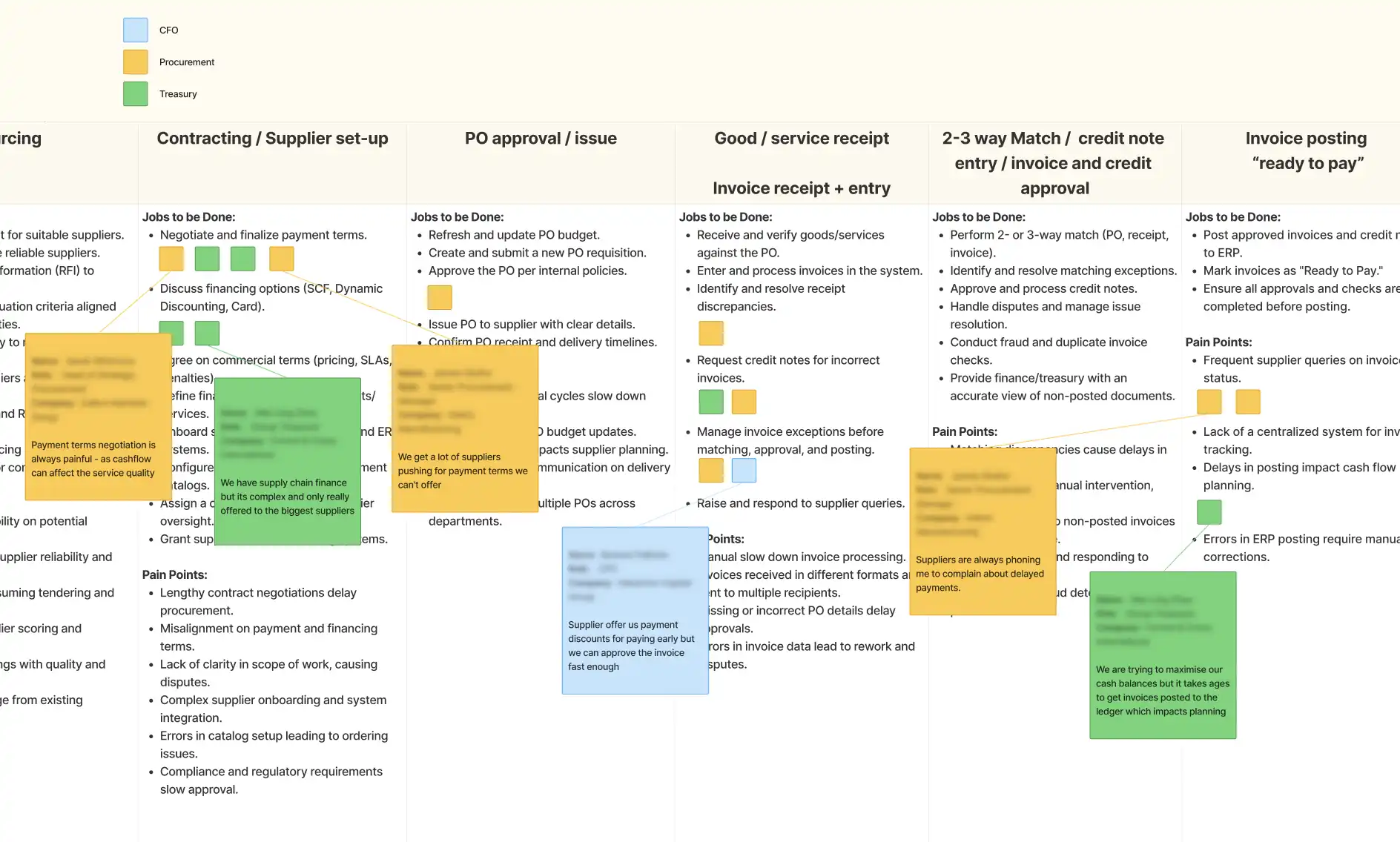
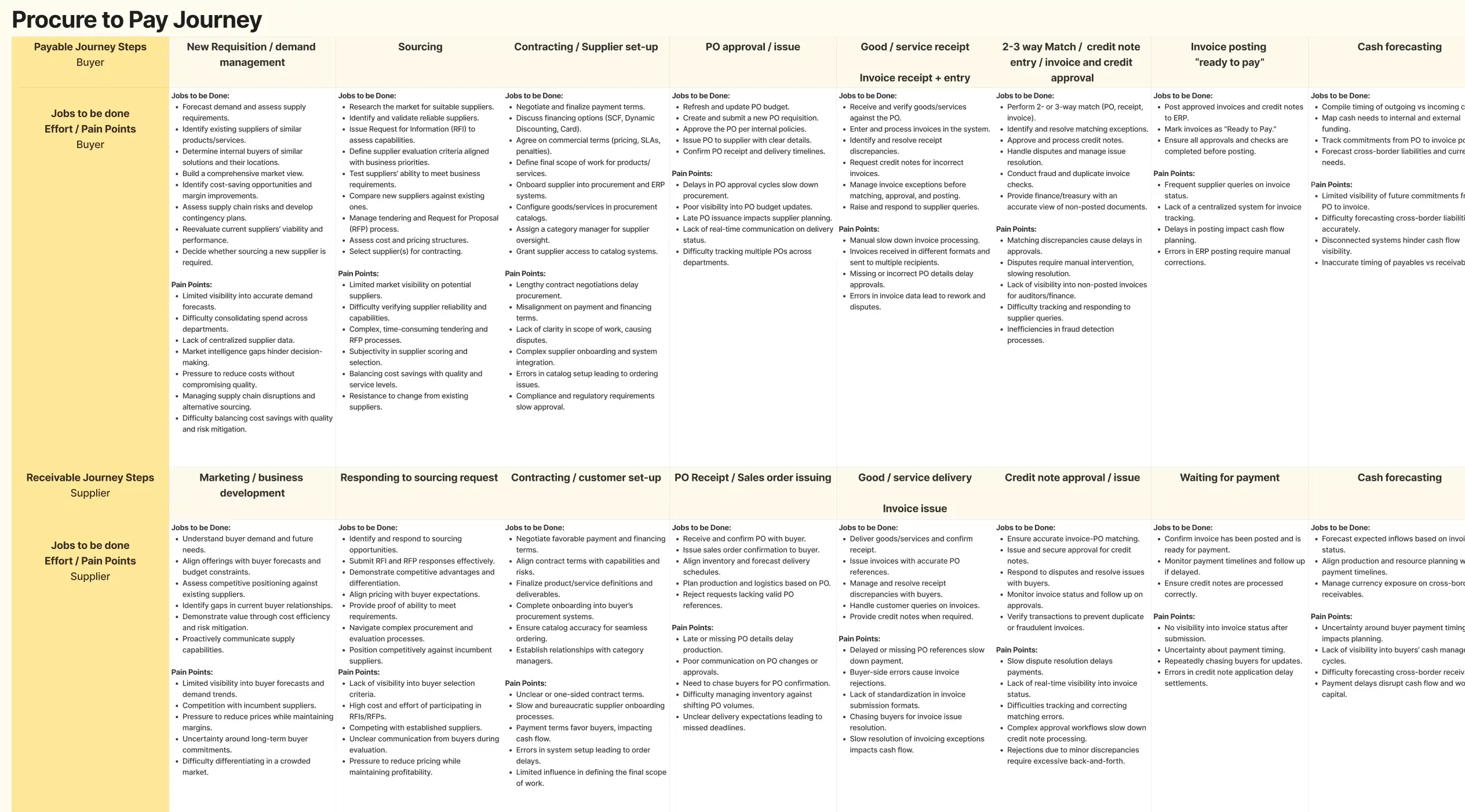
The response was a structured insight programme, mapping jobs-to-be-done, cataloguing buyer language, quantifying pain points, and assessing how enterprises approached the procure-to-pay process. This built the foundation for a narrative that addressed their actual priorities.
1

Get inside the sales reality

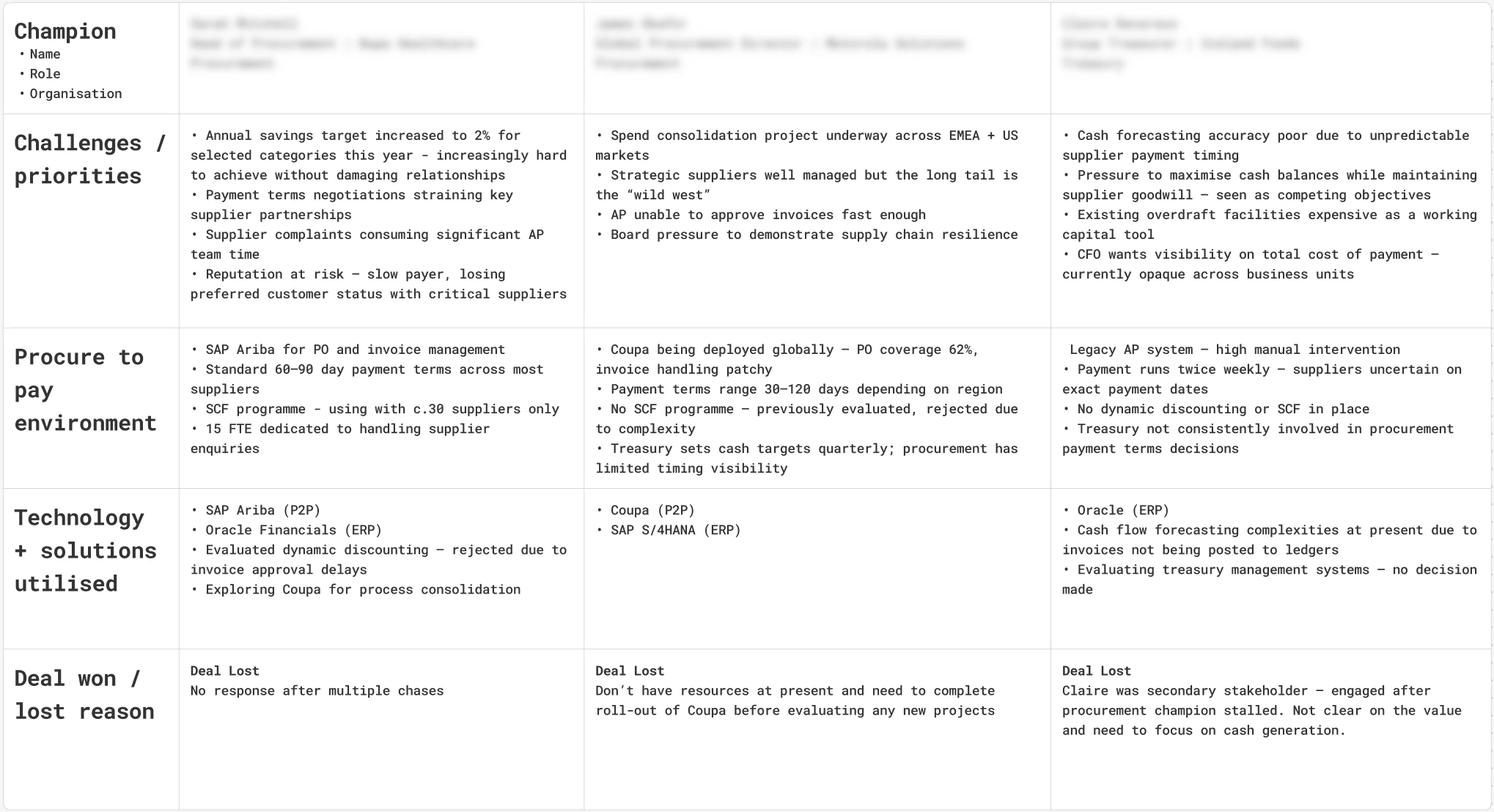
Joining live sales calls and reviewing three months of call notes identified the challenges buyers cited most frequently, mapped precisely where deals stalled, and surfaced the language buyers used to describe their own problems. It was the raw material for everything that followed.

2

Building the insight foundation

Conducting 20+ interviews with enterprise procurement, treasury and CFO leaders, alongside consultants from KPMG and PwC, built a full jobs-to-be-done view across the procure-to-pay lifecycle, giving the team a shared language for buyer motivation that hadn’t previously existed.

3

Mapping the pain to the person

Aggregating feedback by role across the procure-to-pay lifecycle revealed clear clusters: procurement driven by savings targets and supplier relationship risk; treasury by cash predictability and cost of capital. That distinction determined who owned the problem worth solving.

4

Analysing the competitive environment

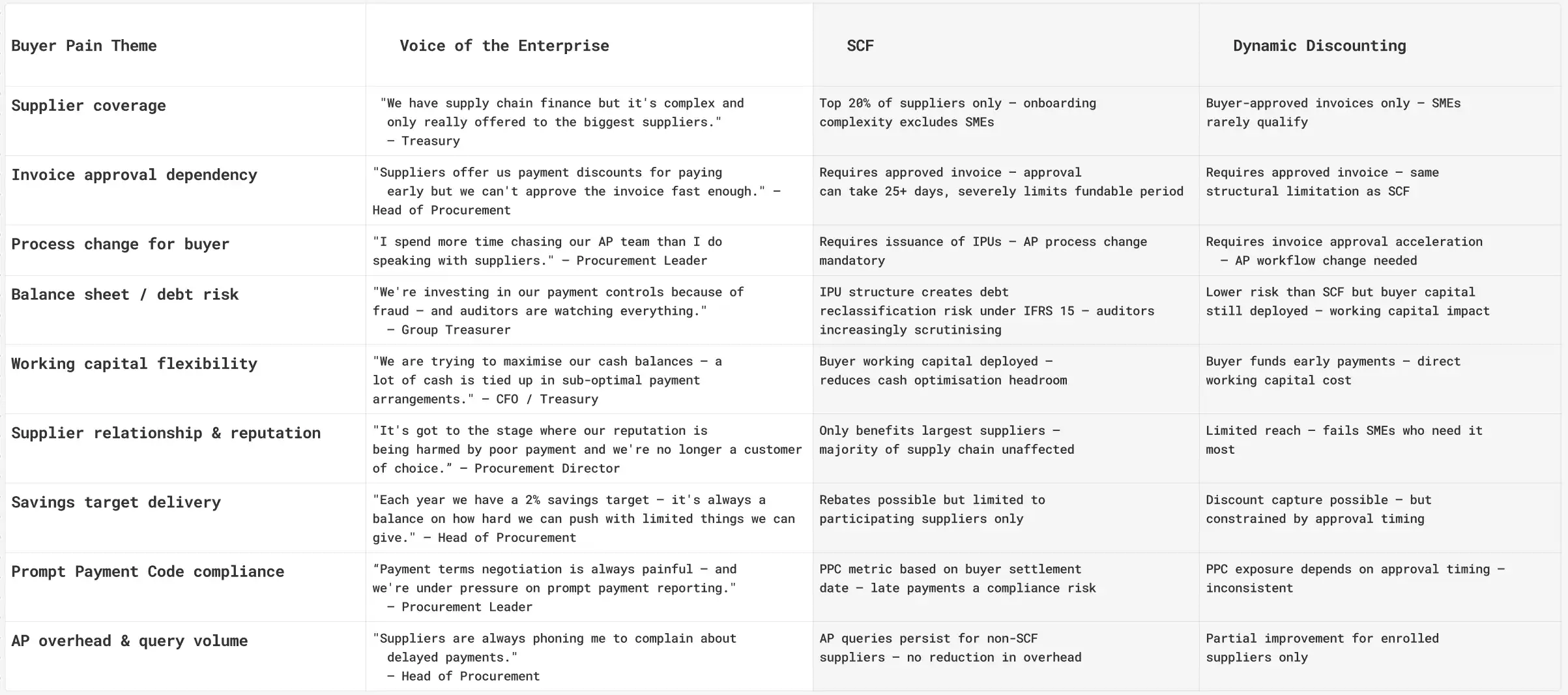
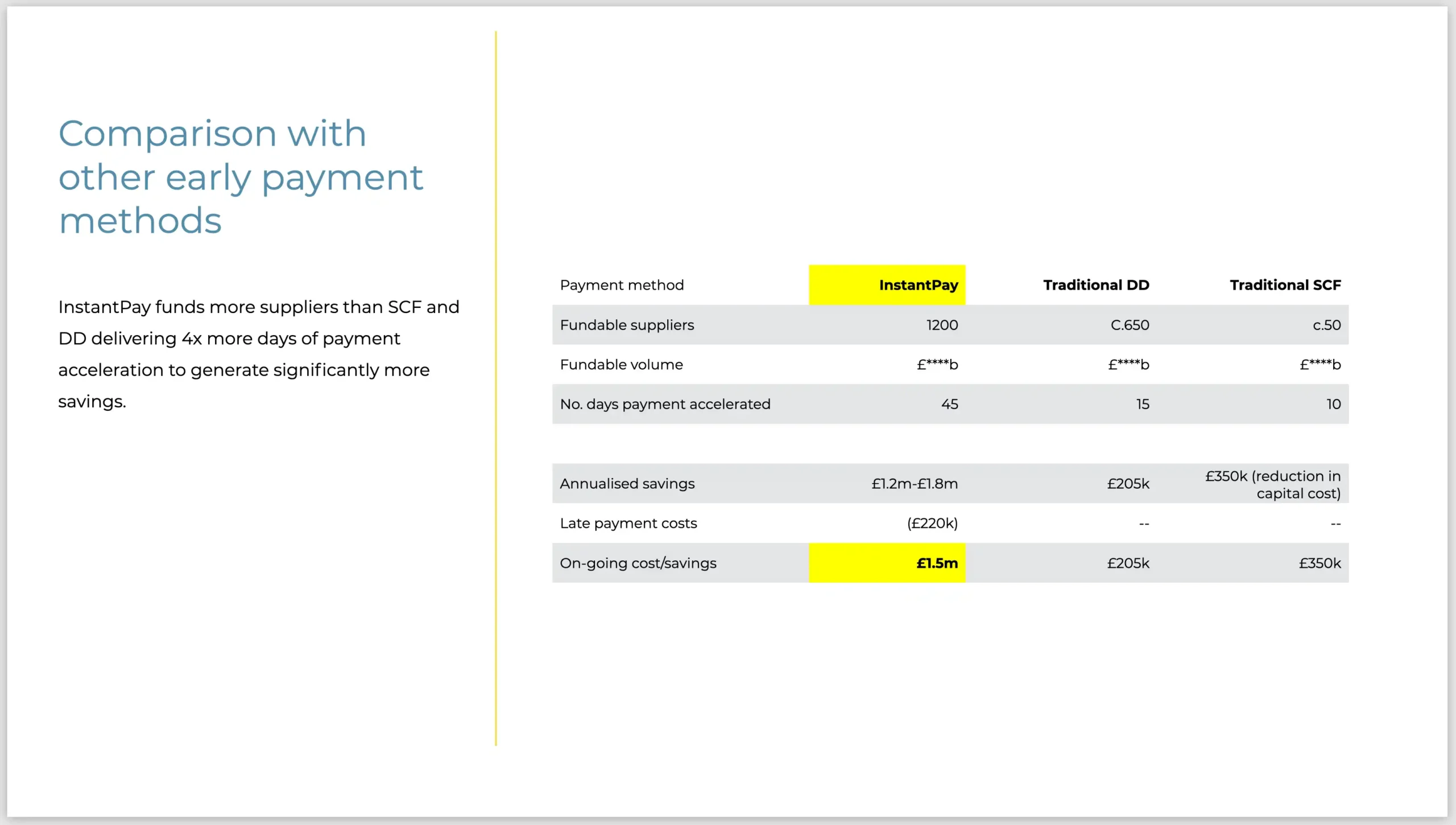
Looking at existing alternatives, supply chain finance and dynamic discounting, exposed a structural limitation: both only reached the top 20% of suppliers and required invoice approval, adding 25+ days to the process. It was gap  that allowed us to to define the positioning opportunity.

Build the narrative around what procurement actually needs

With the insight foundation in place, the focus shifted to building the GTM strategy around it, narrowing the audience, aligning product and marketing on the highest-value use case, and creating the tools and narrative needed to turn a compelling position into pipeline.

1

Focussing on Procurement

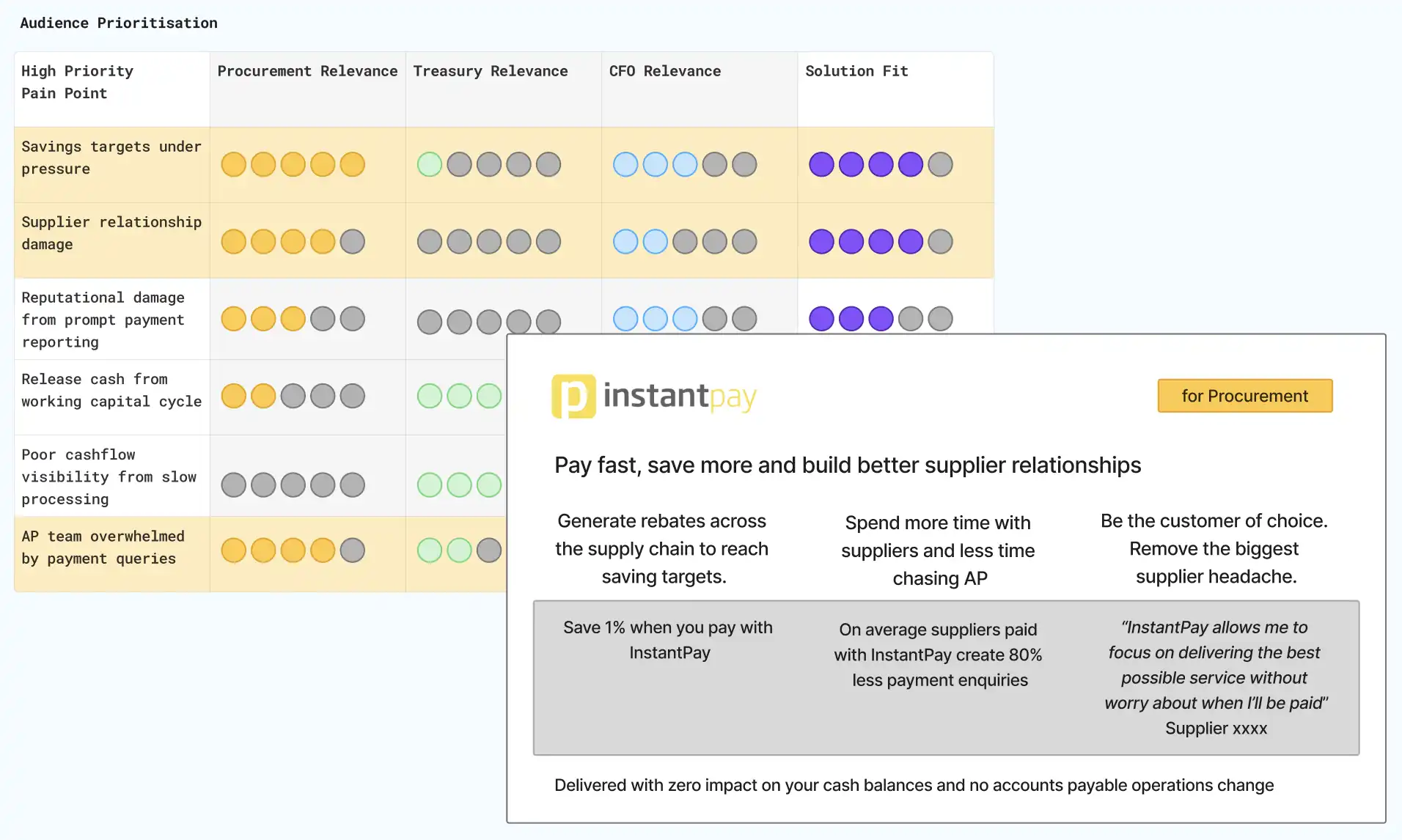
Narrowing the ICP to large enterprises with distributed supplier bases, where slow payment pressure was most acute, made every subsequent conversation sharper. Treasury and CFO remained stakeholders, but procurement owned the pain points that aligned most directly with the solution and had the mandate to act.

2

Aligning internally to maximise product value

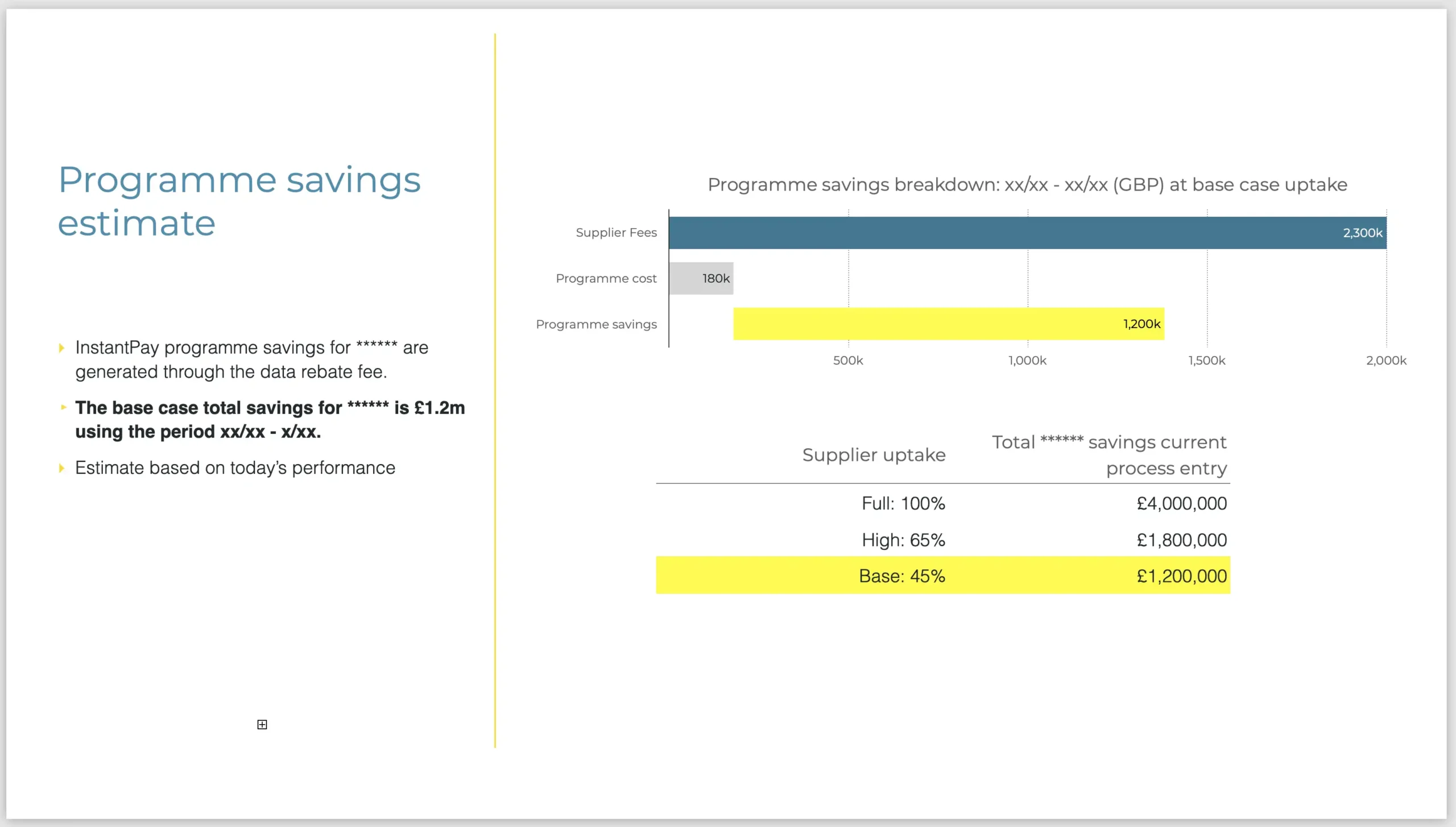
Working closely with the product team to prioritise two enhancements, payment terms negotiation tooling and improved rebate capture, made savings targets quantifiable and deliverable. The positioning work completed shaped what was built, not just how it was described.

3

Creating a market point of view

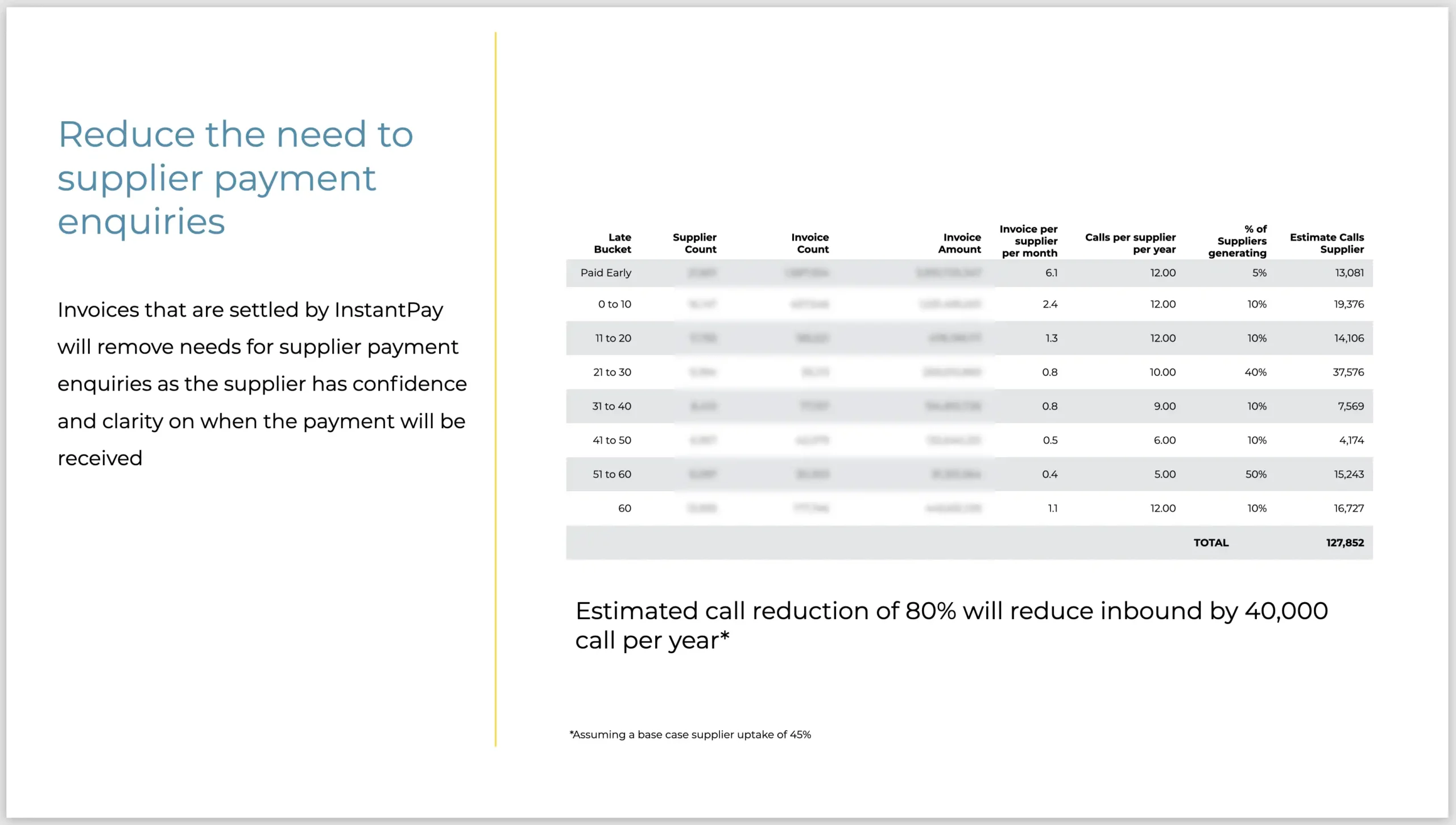
Building a strong point of view around supplier payments as an untapped source of procurement savings, and making it the pillar for demand generation, shifted conversations from product features to business opportunity before sales entered the room.

4

Arming sales with tools that open doors

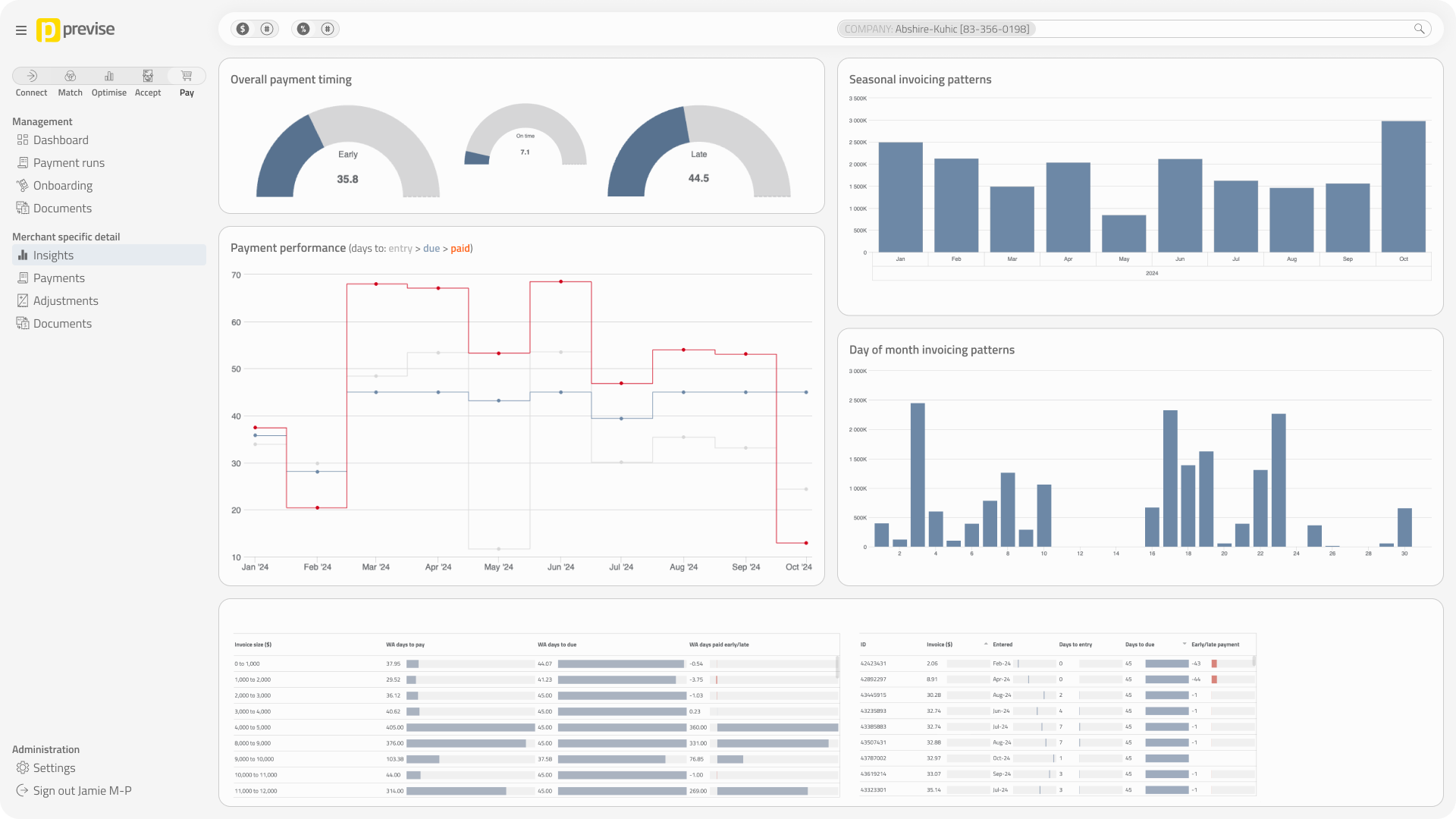
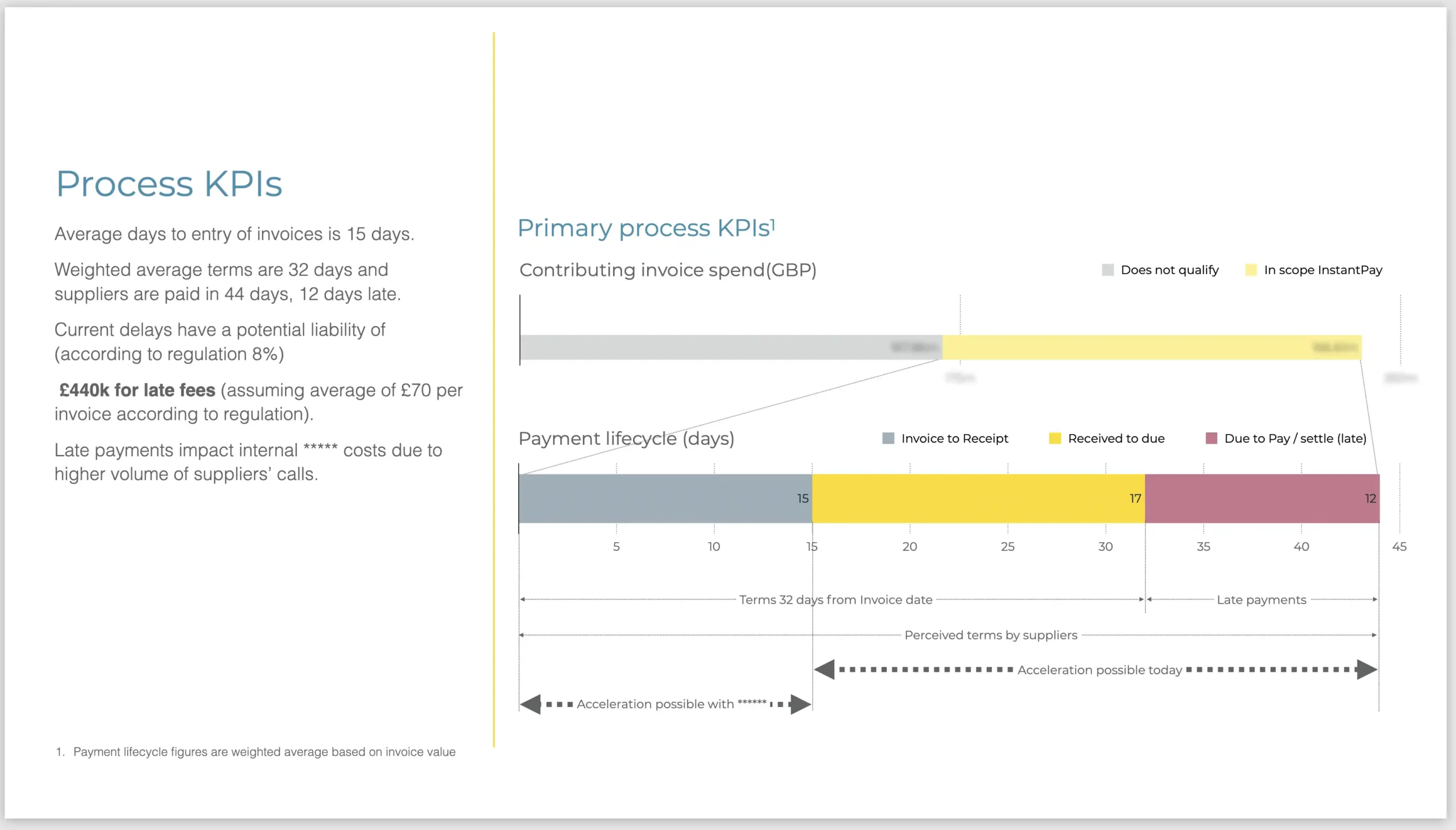
Developing the Payment Opportunity Report, built from buyer data, quantifying savings potential and exposing competitor limitations, gave sales a reason to get in front of procurement that had nothing to do with selling, turning a product conversation into a commercial insight session enterprises hadn’t been offered before

In conclusion

Getting the positioning right took several months of iteration, tested with procurement audiences, refined with subject matter experts, pressure-tested through sales conversations.

The core learning was about specificity. Broad positioning that tries to speak to every stakeholder in a three-sided market ends up moving none of them. The moment the work narrowed to procurement, to their specific pain, to the savings conversation they were already having internally, everything else, the narrative, the tools, the product priorities, became easier to align. Focus didn’t just bring clarity it brought momentum.

Get in contact

Whether you need focused help on a specific challenge or ongoing support, I'd love to hear what you're working on, to see if I can help.