Launching InstantAdvance

Product Launch & GTM Strategy
From zero to £2M ARR in four months

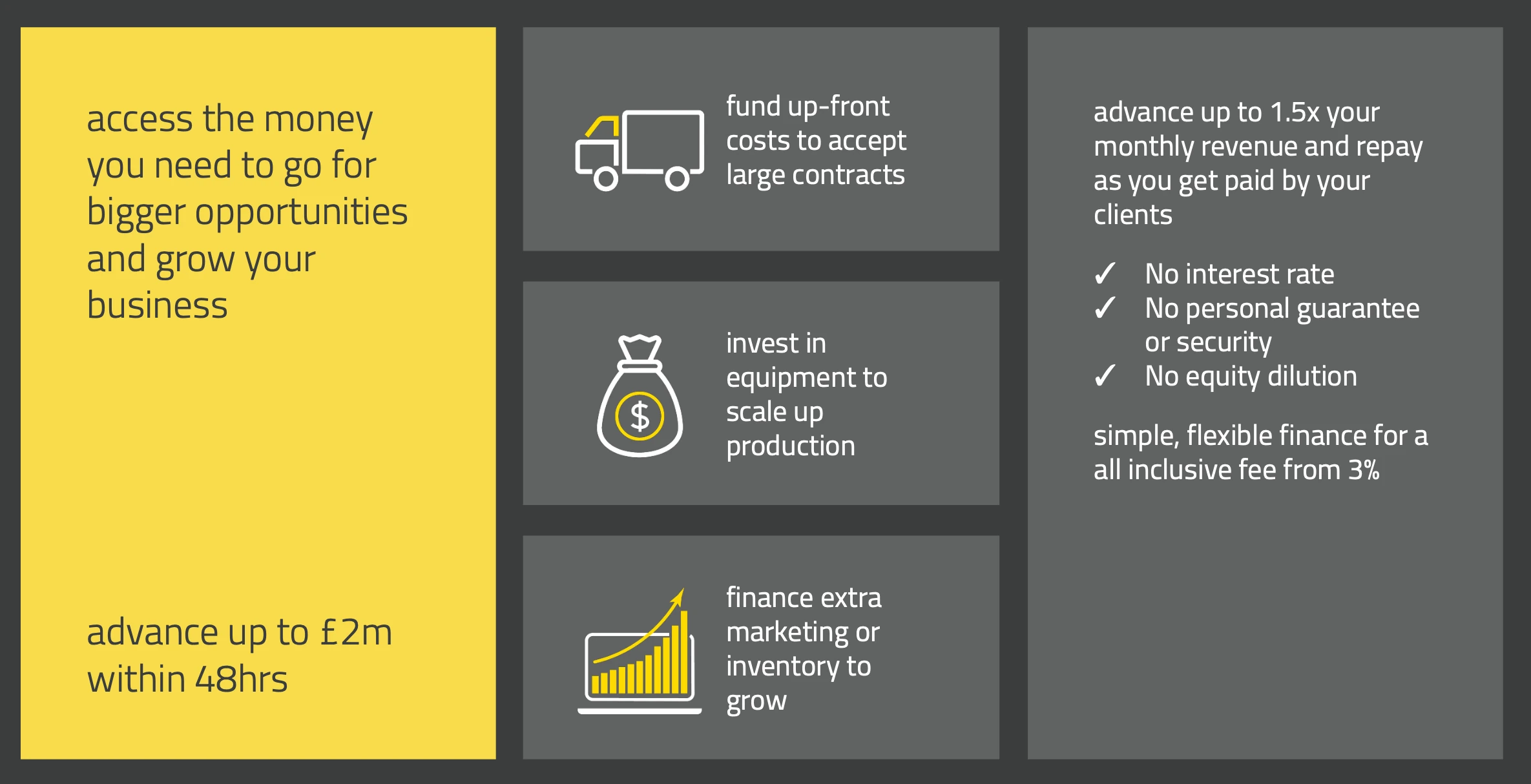
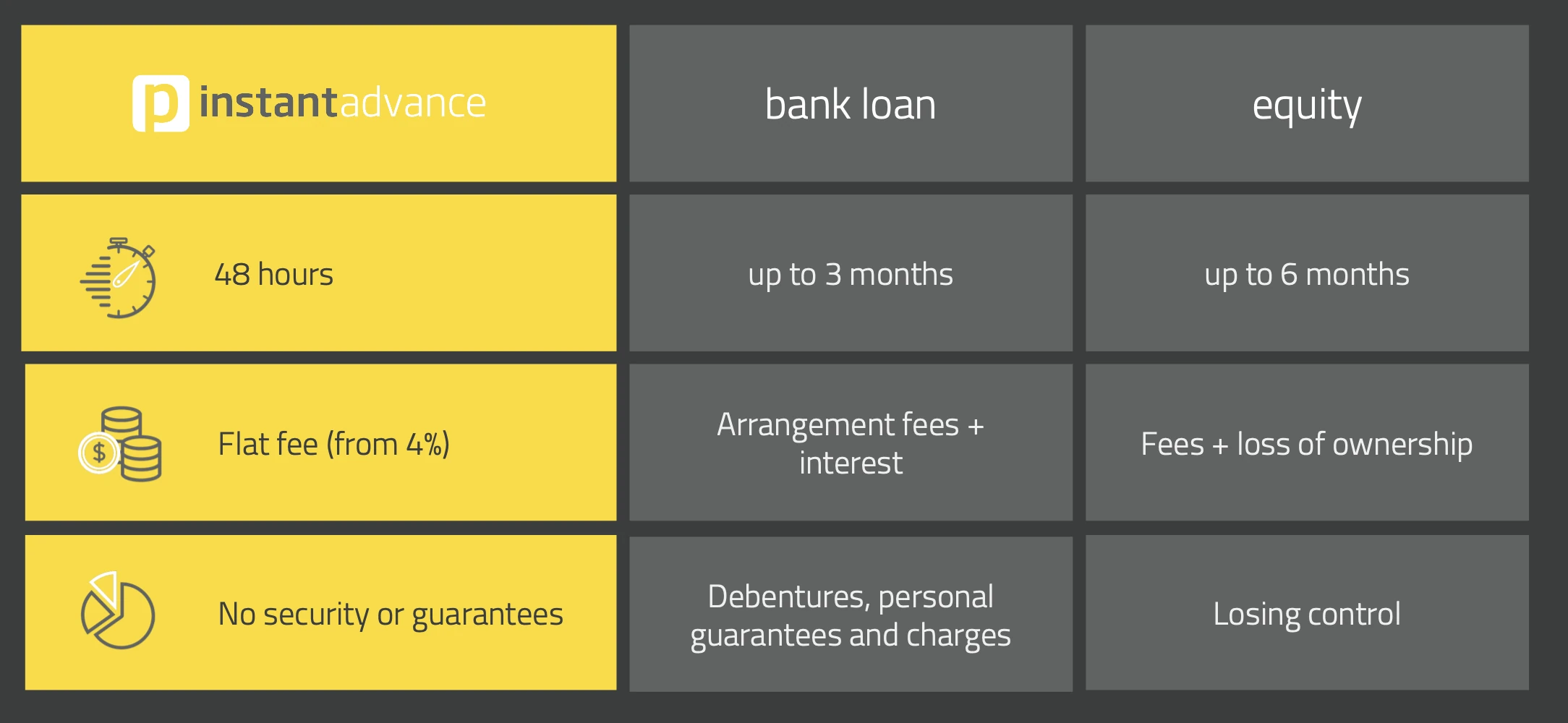
Previse had established its AI early payment platform, but the SME opportunity was far bigger. Thousands of business needed working capital on a bigger scale than accelerating payments from a small number of customers. InstantAdvance was a revenue-based finance product designed to address the need in B2B, simple, flexible, unsecured advances repaid as a percentage of future revenue. The challenge was taking a genuinely new financial product to a fragmented audience in the UK and US with no established GTM playbook to follow.

Results in the first four months

  • £2M ARR achieved
  • 112 GTM tests completed as a program to optimise strategy
  • 20+ brokers and 8 platform partnerships established

Laying the foundations to enable scale

The starting point was a launch plan, not a campaign. With a new product, a new audience and a new category, the work began with the fundamentals: who to target, what to say, and which channels could reach them without the enterprise distribution infrastructure that had carried earlier products to market.
1

Defining the audience and entry point

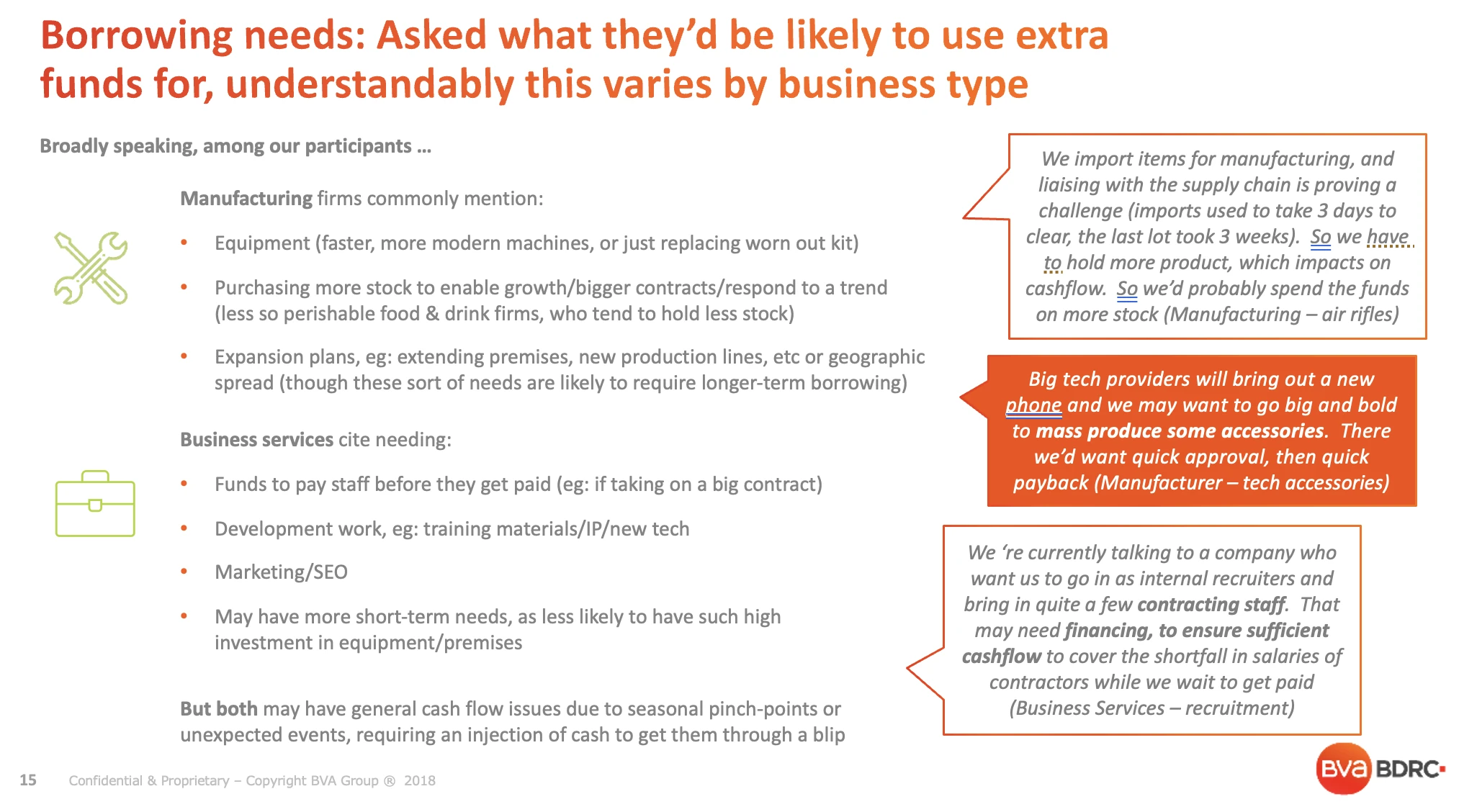
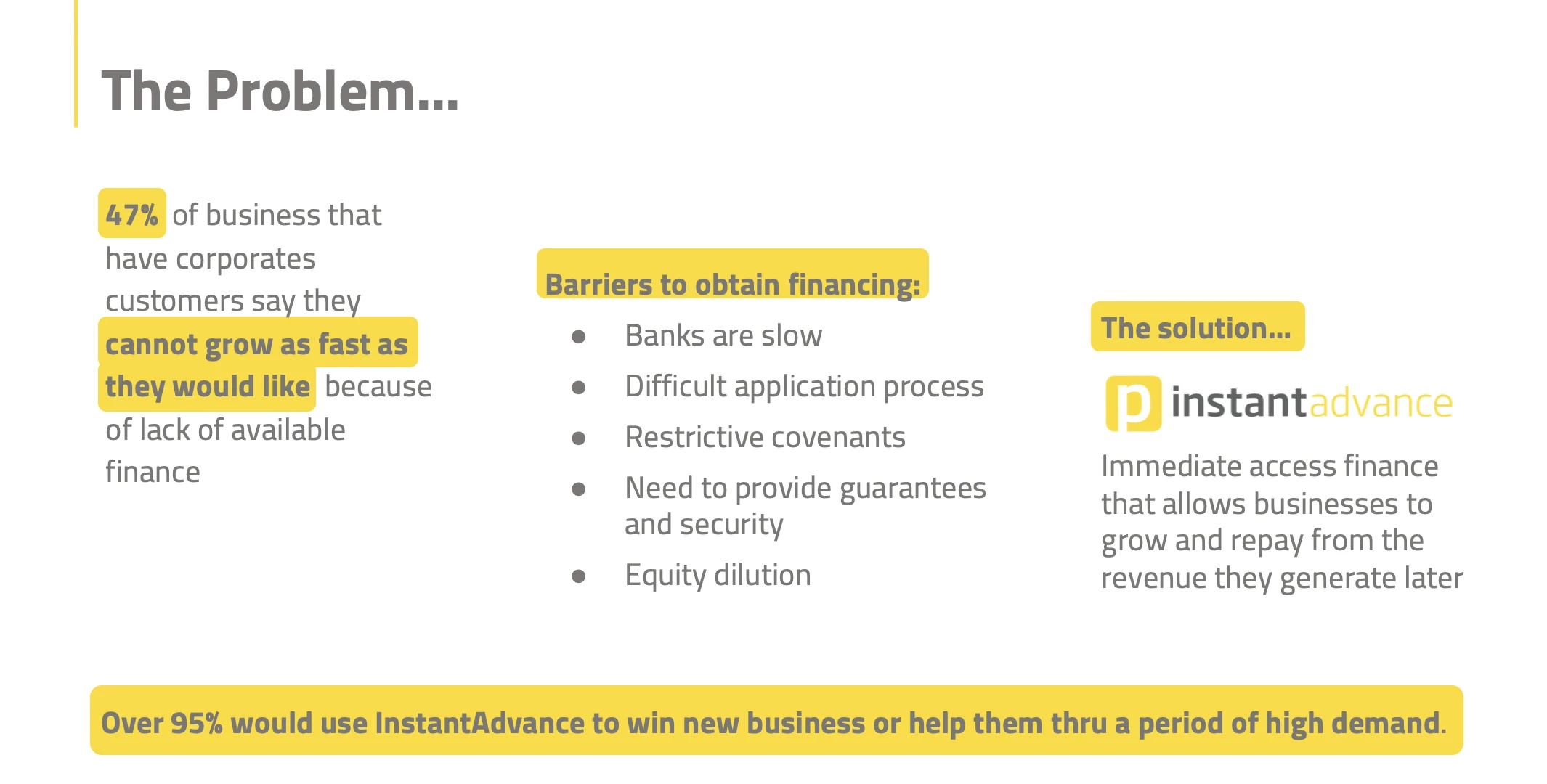
Research across 1,200 SMEs made the demand picture clear: 47% of those supplying corporates said financing needs had prevented them from bidding for new contracts, rising to 60%+ for businesses with over 100 employees. The ICP wasn’t every SME. It was suppliers to bigger businesses with proven revenue, an immediate growth or cashflow trigger, and no appetite for the friction of traditional lending.

2

Build messaging around the trigger, not the product

Supplier research revealed three distinct emotional entry points, growth aspirations, cashflow stress and the frustration that they were being prevented from achieving their potential by a lack of suitable financing solutions. Messaging was built around these triggers rather than product features: “bid for more business,” “remove the stress of late payments,” “we understands how your cashflow works.” The product’s revenue-linked repayment model became the proof point, not the opening line.

3

Establishing strongest demand

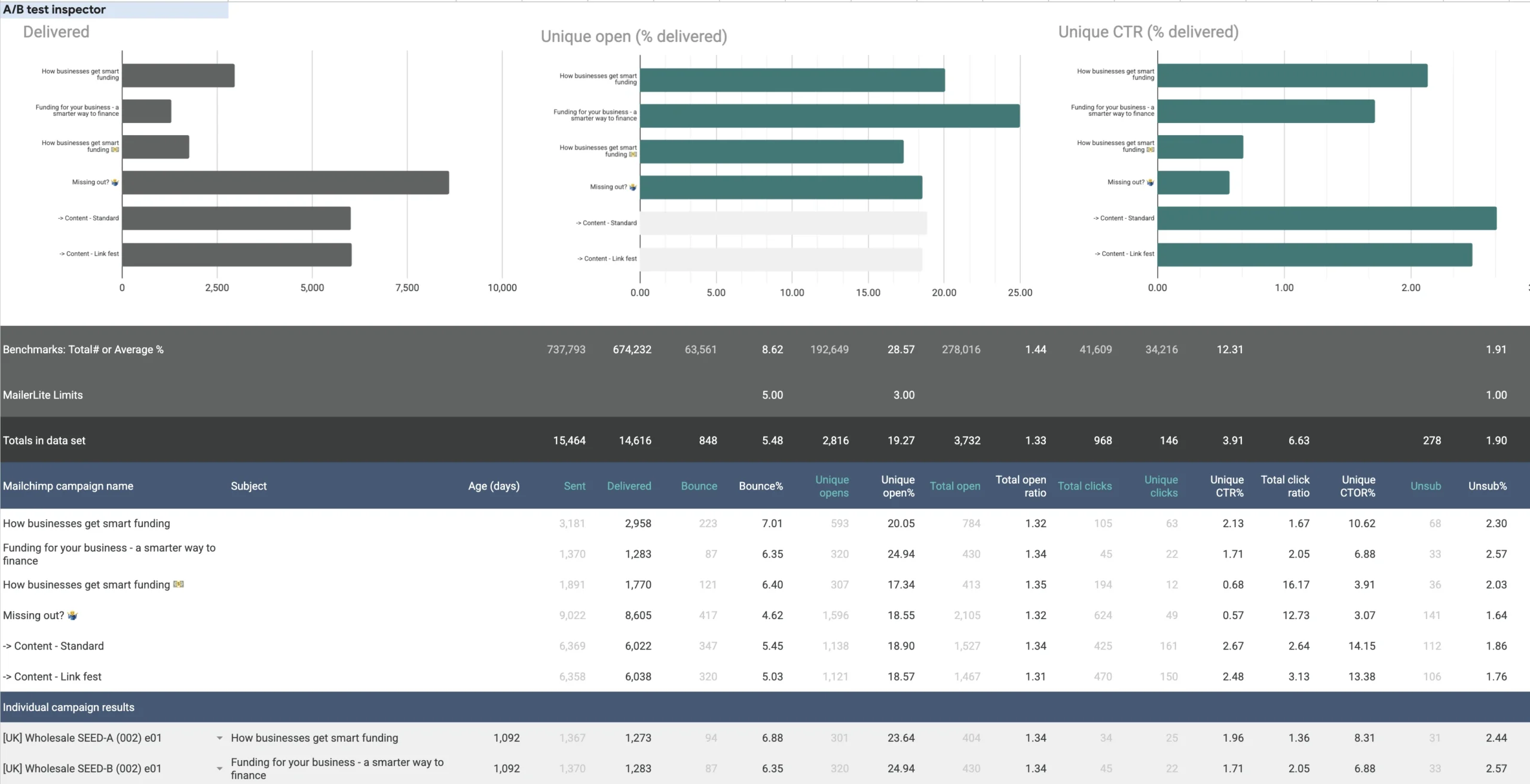
With messaging validated directionally, a structured testing strategy was built to identify which segments responded best before committing fully to any channel. Fifteen weekly growth tests ran across segment, messaging and channel variables running in parallel across both the UK and US markets to identify where demand was strongest and where the risk profile was most favourable. Each test cohort generated data that adjusted the next, allowing us to fine tune targeting and ensure GTM investment was directed where demand and risk appetite most closely aligned.

From proposition to pipeline

With the audience, messaging and testing strategy defined, the GTM motion required three parallel workstreams: mobilising the demand gen, equipping internal sales teams, and activating broker and partner channels closely without overexposing the balance sheet.

1

Mobilising demand around the testing programme

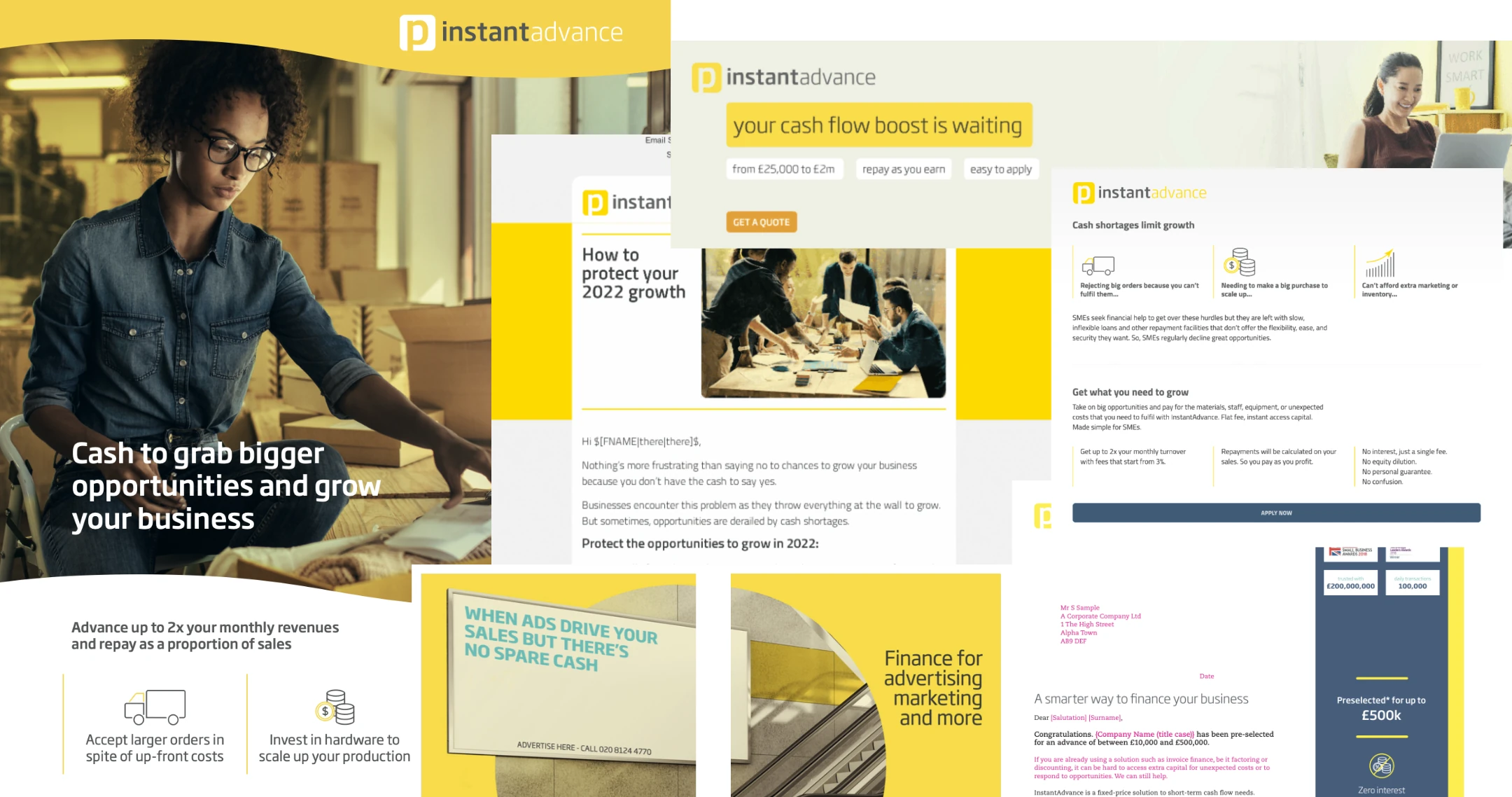
Demand generation was coordinated directly around the testing strategy, activating outbound email and calling, paid search across Google and LinkedIn, programmatic display and direct mail simultaneously across different segments. Intent signals such as, new contracts awarded, recruitment activity, seasonal cashflow patterns, determined which triggers were prioritised in each channel at each stage of the programme.

2

Sales enablement for internal teams

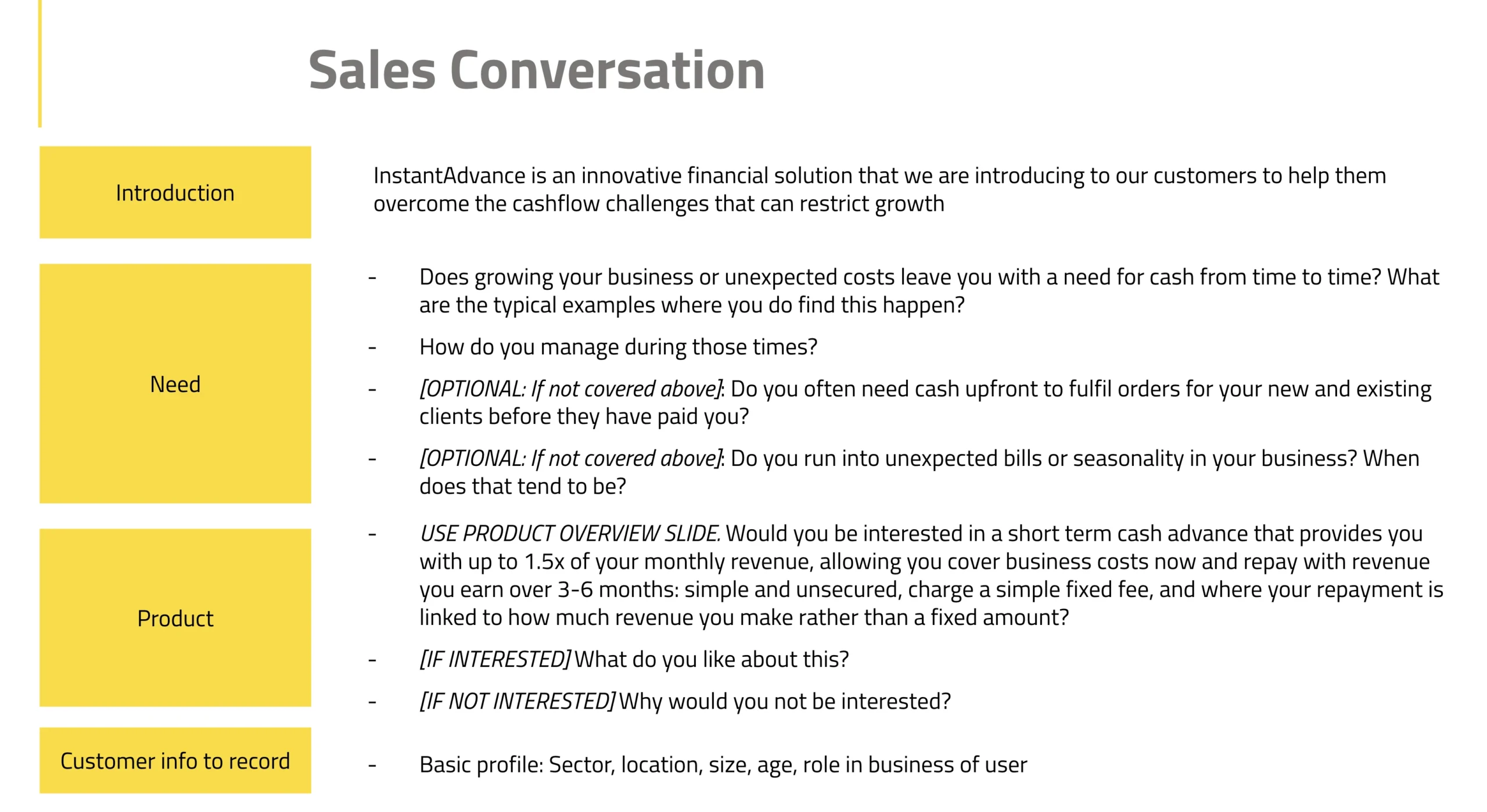
The product had to be easy to explain and easy to sell in a single conversation. Internal materials covered the product structure, target segment profiles, conversation guides, use case scenarios and objection handling. A lightweight qualification framework helped sales agents identify the right candidates quickly, avoiding adverse selection and protecting early pilot performance.

3

Partner network built around sector opportunity

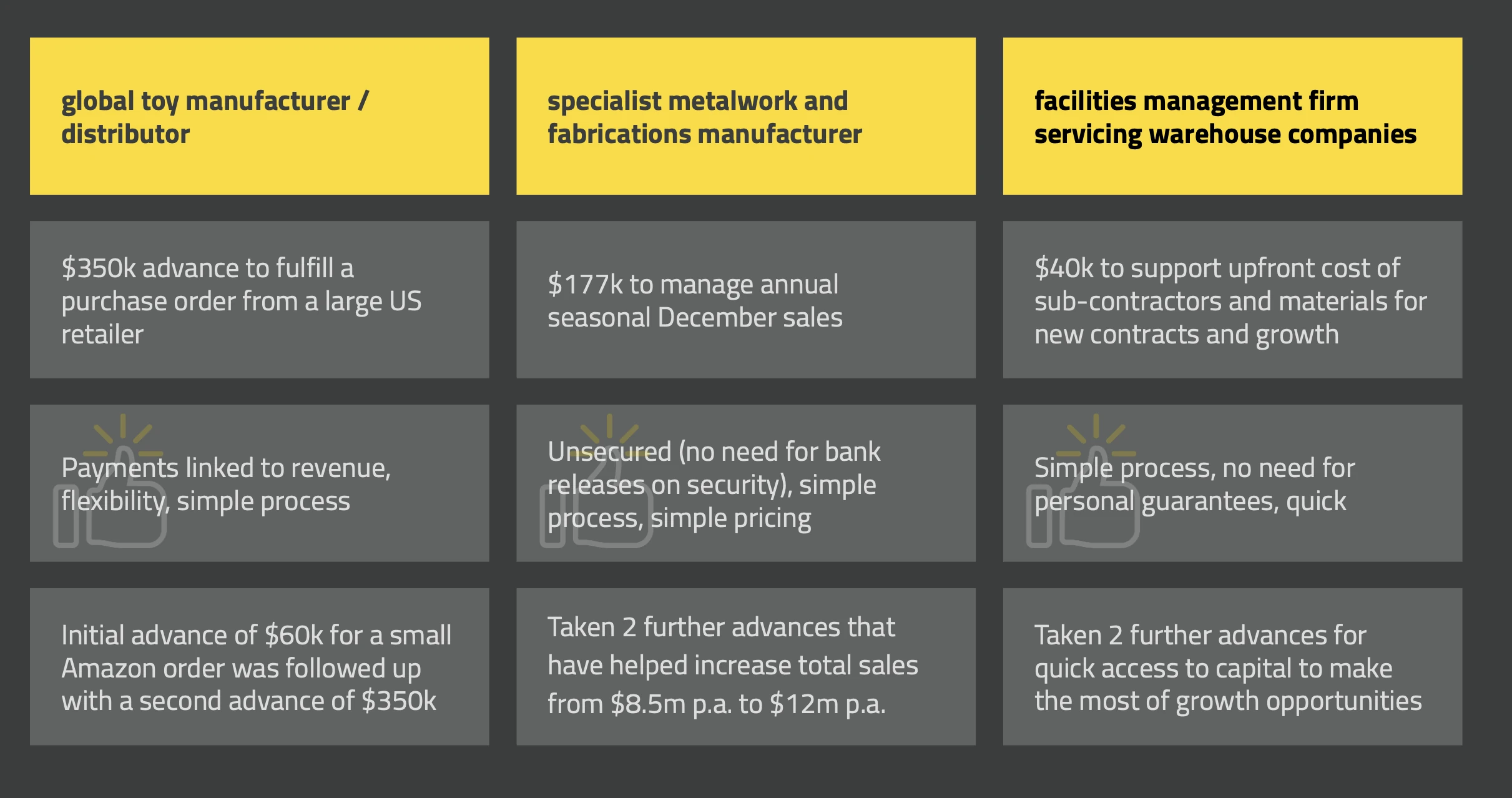
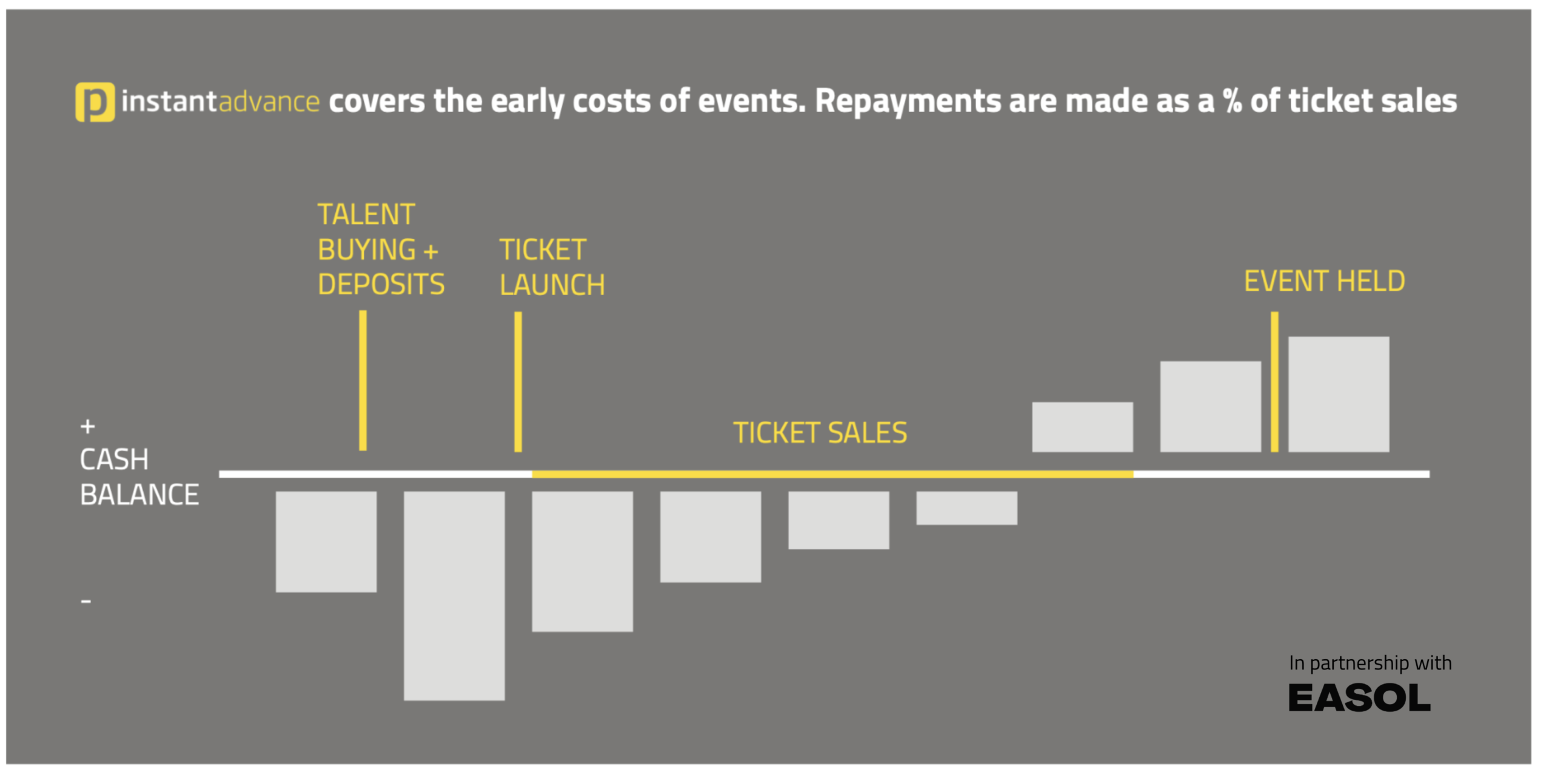
Two partner channels were activated in parallel. An extensive broker network was established across the UK and US and as the demand gen tests identified specific hotspots in manufacturing, events and entertainment we built relationships with ticketing partners and B2B procurement platforms. Each partner type required a distinct onboarding approach, commercial model and enablement programme to drive consistent origination.

In conclusion

Getting to £2M ARR in four months required every element to work in sequence. The research had to identify the right audience before the messaging could land. The messaging had to be validated before the testing strategy could direct spend. And the GTM motion had to activate across three workstreams simultaneously without overexposing a balance sheet that was still proving the model. The clearest lesson: in a new category with a new audience, discipline in the foundations is what makes the execution possible.

Get in contact

Whether you need focused help on a specific challenge or ongoing support, I'd love to hear what you're working on, to see if I can help.